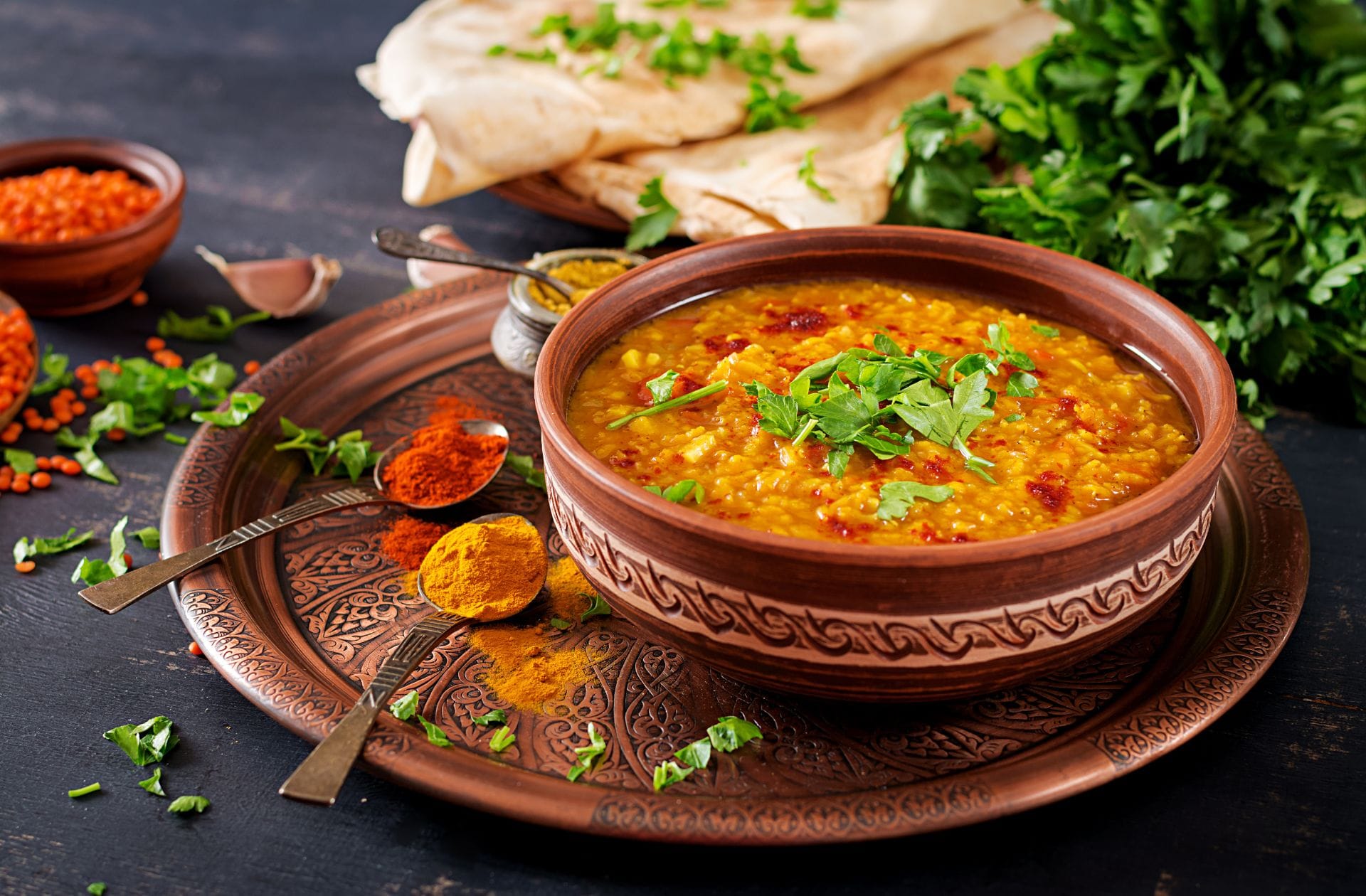
Indian cuisine has long been celebrated for its vibrant flavors, intricate spices, and diverse regional influences. Over the decades, the culinary landscape of India has undergone a remarkable transformation. Today, we see a fascinating blend of the time-honored traditions that have defined Indian food for centuries, alongside innovative, trendy interpretations that cater to modern tastes. In this post, we delve into the evolution of Indian cuisine, comparing traditional approaches with trendy innovations, and exploring how the two worlds are merging to create a dynamic culinary experience.
The Rich Heritage of Traditional Indian Cuisine
Traditional Indian cuisine is steeped in history and culture. Every region of India boasts its own distinct culinary style, influenced by geography, climate, and cultural practices.
- Authentic Flavors and Techniques:
Traditional recipes are passed down through generations, preserving ancient techniques like slow cooking, tandoor grilling, and intricate spice blending. These methods ensure that each dish carries the depth of flavor and aroma that is synonymous with Indian food. - Cultural and Ritual Significance:
Many traditional dishes are not just about sustenance—they hold a special place in rituals, festivals, and family gatherings. For example, sweets like gulab jamun and rasgulla are integral to celebrations, while regional staples like dal makhani or sambar evoke a sense of home and heritage. - Ingredient Integrity:
Traditional Indian cooking often emphasizes the use of whole spices, fresh herbs, and natural ingredients. The focus is on allowing each ingredient to shine, resulting in layered flavors that are both complex and comforting.
The Emergence of Trendy Indian Cuisine
As global culinary trends evolve, Indian cuisine is also undergoing a modern transformation. Trendy Indian cuisine is characterized by its fusion of traditional elements with contemporary techniques and presentations.
- Innovative Fusion Dishes:
Chefs today are experimenting by blending Indian spices with global ingredients. Dishes like tandoori chicken tacos, masala pasta, and chai-infused desserts are creating buzz among food enthusiasts. These fusion creations retain the essence of Indian flavors while offering a fresh twist that appeals to a modern palate. - Modern Presentation and Plating:
Trendy restaurants and street food vendors are reimagining the way Indian food is presented. Elegant plating, minimalist aesthetics, and creative garnishing techniques are transforming everyday dishes into visually stunning culinary art. - Health-Conscious Options:
In response to the growing demand for healthier dining, many trendy Indian eateries are incorporating organic ingredients, plant-based alternatives, and gluten-free options into their menus. This shift not only caters to modern dietary preferences but also reinterprets traditional dishes for a health-aware audience. - Technology and Innovation:
The digital age has influenced the food industry significantly. Online food delivery platforms, social media marketing, and food blogging have all played a role in popularizing trendy Indian cuisine. Chefs and restaurateurs use technology to reach a wider audience and gather feedback, constantly refining their offerings.
Merging Tradition with Trendiness
The most exciting development in Indian cuisine today is the convergence of traditional and trendy elements. This blend is not about replacing the old with the new, but rather about enhancing the culinary experience by celebrating both aspects.
- Preserving Authenticity While Innovating:
Many modern chefs are dedicated to preserving the authenticity of Indian cuisine while embracing innovative techniques. They experiment with new cooking methods and presentations without compromising the rich flavors and cultural significance of traditional recipes. - Consumer Demand for Diversity:
Today’s consumers are increasingly open to trying new flavors and experiences. This evolving mindset has created a space where both traditional and trendy Indian dishes coexist, offering something for every taste—from the nostalgic comfort of home-cooked meals to the adventurous spirit of fusion food. - Collaborative Culinary Culture:
The blending of traditional and modern culinary practices is also fostering collaboration among chefs, food bloggers, and restaurateurs. This dynamic exchange of ideas leads to a continuous evolution of recipes and techniques, pushing the boundaries of what Indian cuisine can be.